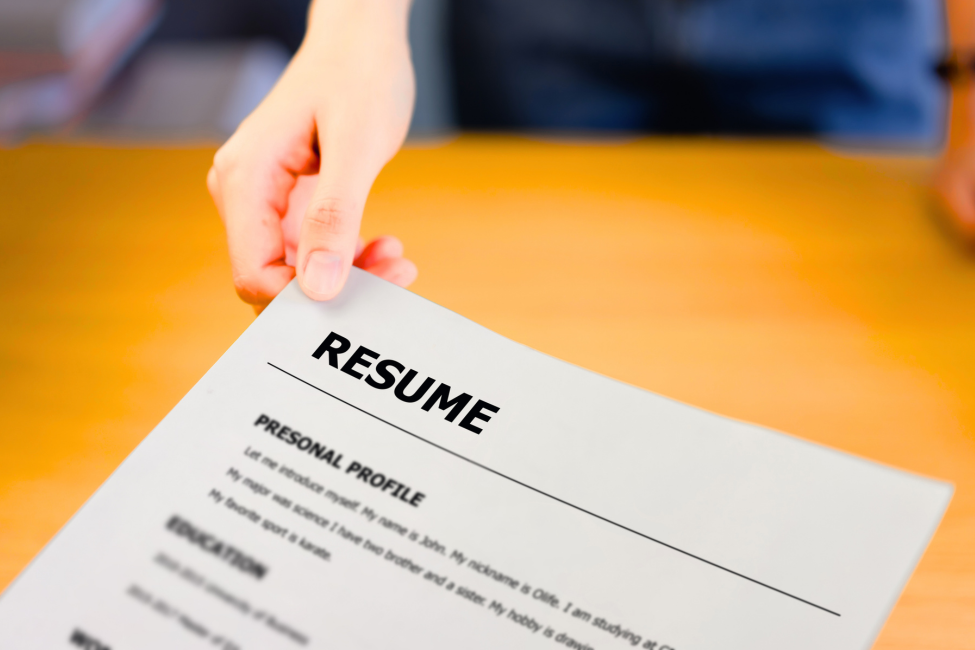




Article

Crucial Questions Marketers Should Ask in Job Interviews

Lucy Bolan • November 28, 2024

Navigating a job interview can feel daunting, but as a Marketer, it's the perfect opportunity to evaluate if a company aligns with your career goals. Beyond showcasing your expertise, asking thoughtful questions can provide invaluable insight into the business's perception of marketing—and your potential role within it.


Here are some essential interview questions and tips to help you stand out while ensuring the role is the right fit for you.


1. How Is Marketing Valued Internally?


One of the most revealing questions you can ask is:


💡 "Can you please advise on how Marketing, as a team, is valued internally within the business?"


This question digs deep into the company's culture and its priorities. A thoughtful answer will show you how marketing fits into the business’s broader strategy, whether it’s recognised as a driver of growth or simply seen as a support function.


Pro Tip: If the response feels surface-level (e.g., “Oh, we love our marketing team!”), take it further:

  • Why does marketing work well within the business?
  • What’s one thing the marketing team could improve on?
  • What’s an example of the best result the team has delivered for the business?


These follow-ups will give you a sense of whether the company values strategy and results or focuses on tactical execution.


2. Where Does Marketing Sit on the Strategic Spectrum?


Another great way to gauge how marketing is viewed is to ask:


💡 "How do you define the role of marketing in your business, and how does it support growth?"


This question subtly probes whether marketing is positioned as a tactical execution team or a strategic partner driving business outcomes. While some answers may feel rehearsed, they still offer clues about the organisation’s priorities and the potential challenges you might face.


Pro Tip: Look out for organisations that can articulate how marketing contributes to strategic goals and integrates with other functions to drive growth.


3. How Does Marketing Contribute to Strategic Business Goals?


To gauge how marketing aligns with the company’s long-term vision, ask:


💡 "How is marketing contributing to the broader strategic priorities of the business?"


This question can help you uncover whether marketing has a seat at the decision-making table or if it’s more siloed. It also reveals the organisation's ambitions for the marketing team and its impact on growth.


4. AI: The Must-Mention Topic


Artificial Intelligence is transforming marketing, and businesses are looking for professionals who can adapt to this shift. In fact, some candidates have missed out on roles because they didn’t discuss how they’d integrate AI into their work.


Pro Tip: Be prepared to answer:

  • How have you used AI in your current role?
  • What’s your plan to leverage AI to stay relevant?


If you’re new to AI, don’t worry—it’s a journey for everyone. Start by exploring free online courses or resources from AI thought leaders like Justin Kabbani and Catherine Toms. Having examples or ideas ready can set you apart from other candidates.


Why Asking Questions Matters


Asking thoughtful, strategic questions not only demonstrates curiosity and critical thinking but also provides insights into the organisation’s culture and priorities. For example, understanding where marketing sits on the tactical-to-strategic spectrum can reveal how much influence you’ll have in shaping business outcomes.


Moreover, it’s an opportunity to identify any potential challenges before joining a new team. If marketing isn’t yet a strategic focus, are you prepared to champion its value and help change perceptions?


Final Takeaway


Interviews are more than just a chance to impress—they’re your opportunity to gain clarity. By asking the right questions, you’ll better understand whether the role aligns with your career aspirations.


So, next time you’re in an interview, be sure to ask:

  • "How is marketing valued internally?"
  • "How does marketing support growth?"
  • "What’s the best result the marketing team has delivered?"


And don’t forget to prepare for the ever-evolving topic of AI!


What’s the most insightful interview question you’ve ever asked (or been asked)? 

share this

Related Articles

Related Articles
Person writing in a notebook while seated, wearing a dark jacket and jeans, with a soft blurred background
By Lucy Bolan July 28, 2026
If you're interviewing soon, here's one piece of advice I'd love you to take with you. Bring a notepad. Honestly, it surprises me how many people still walk into interviews with nothing but their phone in their pocket. It might seem like a tiny detail, but after more than 20 years recruiting marketing and sales professionals, I've seen firsthand how much those little things matter. Not because anyone expects you to write pages of notes. Because bringing a notepad shows you've prepared. It's More Than Just Taking Notes Before every interview, I encourage candidates to write down a few questions they'd like to ask. Not questions for the sake of filling time. Questions that genuinely help them understand the opportunity. What does success look like in the first six months? What challenges is the team trying to solve? How does the marketing team work with sales? What type of leadership style can they expect? Writing your questions down means you won't forget them when the nerves kick in. It also gives you somewhere to jot down the answers, along with anything else that stands out during the conversation. You don't need to write everything down. A few key points are enough. Good Interviews Feel Like Conversations One of the biggest misconceptions candidates have is that interviews are all about giving the right answers. They're not. The best interviews feel like genuine conversations. You're learning about the company just as much as they're learning about you. That's why asking thoughtful questions is so important. It shows curiosity. It shows you're engaged. It shows you're thinking beyond simply getting a job. You're trying to work out whether it's somewhere you'll genuinely enjoy building your career. The Little Things Are Often the Difference People sometimes ask me what makes one candidate stand out over another. There usually isn't one big moment. It's a combination of small things. Turning up on time. Researching the business properly. Knowing who's interviewing you. Listening carefully. Asking thoughtful questions. Following up afterwards. And yes, bringing a notepad. None of these things are difficult, but together they create a really positive impression. Hiring managers notice candidates who are prepared. I know I do. Preparation Gives You Confidence There's another reason I always recommend bringing a notebook. It helps you. When you've written down your questions beforehand, you don't spend the whole interview worrying that you'll forget something important. Instead, you can relax and focus on the conversation. You're listening properly instead of thinking three questions ahead. That confidence comes across naturally. Recruitment Is About People When I started New Chapter Talent, I wanted to build a recruitment business that looked beyond job descriptions and CVs. The best hires happen when skills, personality, values and culture all align. That's why I spend time getting to know both my clients and my candidates properly. Every business has its own culture, and every marketer has their own ambitions. Taking the time to understand both is what leads to long-term success. It's also why we've invested so much in supporting the wider marketing community through initiatives like the CMO Chapters Podcast, the CMO Collective Lunch Club, the Marketing Leadership Awards and the Marketing Mentorship Program. Helping people navigate their careers has always been about more than filling roles. My Advice Before Your Next Interview If you've got an interview coming up, don't overthink it. Do your research. Write down a few questions. Take a notepad. Listen carefully. Be yourself. Sometimes it's the simplest habits that leave the strongest impression. Frequently Asked Questions Should I bring a notebook to every interview? I would. It's a simple way to stay organised, remember important details and show you've taken the opportunity seriously. Is it okay to take notes during an interview? Absolutely. Just keep them brief. The conversation should always come first, but noting down key points will help you reflect afterwards. What questions should I prepare? Think about the role, the team, the company and what success looks like. The best questions are the ones that genuinely help you decide whether the opportunity is right for you. Ready for Your Next Chapter? Whether you're looking to grow your marketing or sales team, or you're thinking about your own next career move, I'd love to have a conversation. At New Chapter Talent, recruitment has always been about people first. Taking the time to understand what motivates someone, what kind of culture they'll thrive in and where they want their career to go is what leads to the best outcomes. If you're ready for your next chapter, I'd love to help.
Person at an office desk using a laptop and large monitor in a modern workspace
By Lucy Bolan June 29, 2026
A strong LinkedIn profile isn't just for job seekers. It's your professional reputation, leadership brand and career story — all in one place.
Three coworkers in a meeting, smiling and shaking hands over documents at a desk
By Lucy Bolan June 23, 2026
The Short Answer Most senior candidates can confidently talk about their successes. Growing revenue. Building brands. Leading teams. Delivering commercial results. But one of the questions that consistently catches people off guard is this: "Can you tell me about a time you failed?" The truth is, hiring managers aren't looking for perfection. They're looking for resilience, accountability and the ability to learn when things don't go to plan. Why Talking About Failure Matters in Executive Interviews Recently, I was supporting a Chief Marketing Officer through a series of final-stage interviews. They had all the credentials. Commercial growth. High-performing teams. Complex stakeholder management. Transformational leadership experience. Yet after making it down to the final two candidates several times, they kept missing out. The challenge wasn't talking about success. It was talking about failure. For many senior professionals, that's completely understandable. Years are spent building a track record of achievement, so it can feel counterintuitive to highlight setbacks. But experienced hiring managers know that careers are rarely linear. The campaigns that didn't land. The strategy that missed the mark. The hire that wasn't the right fit. The project that faced unexpected obstacles. These moments often reveal far more about a leader than a list of accomplishments ever could. What Hiring Managers Really Want to Know When interviewers ask about failure, they are usually assessing four key qualities: 1. Self-Awareness Can you objectively recognise when something didn't work? Strong leaders understand their role in both successes and setbacks. 2. Accountability Do you take ownership, or do you place blame elsewhere? The best candidates accept responsibility while demonstrating professionalism. 3. Problem Solving How did you respond once you realised there was an issue? Hiring managers want evidence of decisive action and commercial thinking. 4. Resilience Can you recover, adapt and move forward? The ability to navigate challenges is a critical leadership skill. How to Structure Your Answer A simple framework can help you deliver a clear and memorable response. Situation Briefly explain the context. Challenge What went wrong, and why was it significant? Action What did you do to address the problem? Learning What did you take away from the experience, and how has it influenced your leadership since? The focus should never be on the failure itself. It's about demonstrating growth. Examples of Professional Setbacks You Could Discuss Not every failure needs to be dramatic. Some of the strongest interview answers come from everyday leadership challenges, such as: A marketing campaign that underperformed. A strategic initiative that didn't achieve expected outcomes. A difficult stakeholder relationship. Hiring someone who ultimately wasn't the right fit. Managing organisational change that faced resistance. Missing a commercial target and adapting the approach. Authenticity matters more than trying to find the "perfect" example. Prepare Before Your Next Interview If you have an interview coming up, spend a few minutes reflecting on your career. Take out a pen and paper and write down three examples of setbacks or failures that have shaped your professional development. For each one, ask yourself: How did I recognise the issue? What action did I take? What did I learn? How did I improve because of it? These are the stories that often create the strongest connection with hiring managers. Failure Doesn't Define Your Career A successful career isn't built by avoiding failure. It's built by learning from it. The most effective leaders are rarely those who have never experienced setbacks. They are the ones who can reflect, adapt and lead with greater insight because of them. When an interviewer asks about failure, they aren't trying to catch you out. They're trying to understand how you'll perform when it matters most. And often, that's exactly what sets exceptional candidates apart. Frequently Asked Questions What is the best way to answer an interview question about failure? Use a structured approach that explains the situation, your actions, what you learned and how you applied those lessons moving forward. Should I admit to a real failure in an interview? Yes. Authenticity is important. Choose an example that demonstrates accountability, resilience and professional growth. What do hiring managers look for when discussing failure? Most employers want to see self-awareness, problem-solving ability, resilience and the capacity to learn from setbacks. Can talking about failure help you get hired? Absolutely. A thoughtful answer can showcase leadership qualities that achievements alone may not reveal.
All Articles

STAY UP TO DATE

Get the latest

Receive regular updates from New Chapter Talent.

Contact Us

Man wearing a brown beanie, facing forward. He has short hair and a neutral expression.
Empty white background.
Woman playing guitar at a campfire, with someone behind her, tent in background.