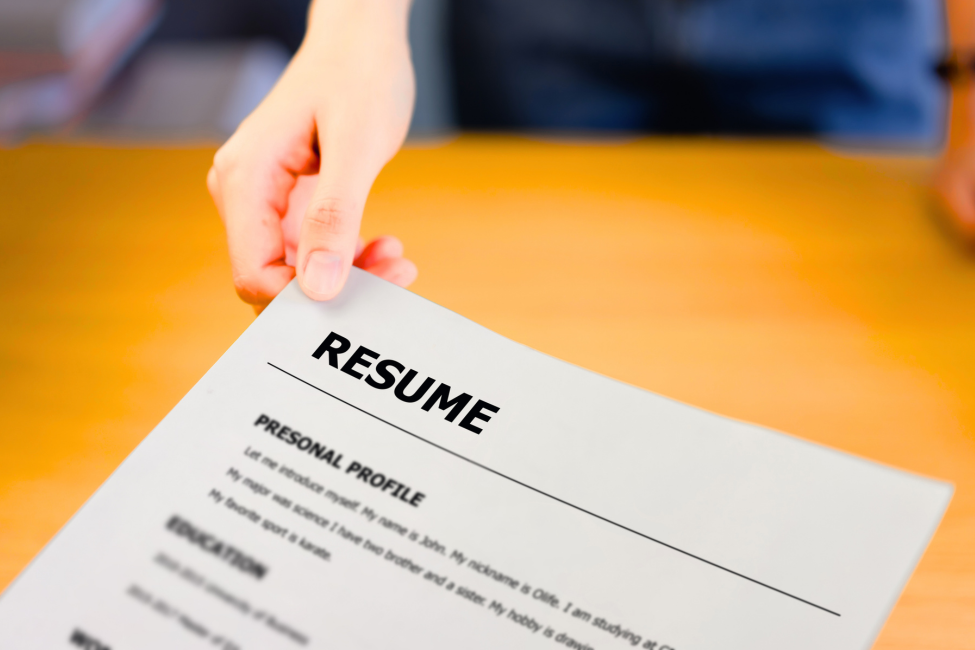




Article

The 2026 Marketing Job Market: What Employers Are Really Hiring For (and How to Position Yourself)

New Chapter Talent • January 13, 2026

If you’ve been anywhere near LinkedIn lately, you’ve probably noticed a strange mix of vibes.


Some people are celebrating new roles.
Others are quietly (or not so quietly) frustrated.
And a lot of very capable marketers are asking the same question:


“Why does getting hired feel harder than it used to?”


Welcome to the 2026 marketing job market.


The good news? Companies are absolutely hiring.
The reality? They’re hiring
very differently from how they did in 2022, 2023 or even 2024.


At New Chapter Talent, we work across Brand, Digital, CRM, eCommerce, Product and Executive Marketing roles every single day. We see the briefs, the shortlists, the offers… and the near-misses. So let’s break down what’s really going on — and how to position yourself to win in this market.


So… is marketing hiring in 2026?


Yes.
But not in a “spray and pray” kind of way.


Most businesses in Australia and New Zealand are:

  • More commercially focused
  • More cautious with headcount
  • More demanding about impact


That doesn’t mean fewer marketing jobs.
It means
better-defined marketing jobs.


Employers aren’t looking for people who can just do marketing.
They’re hiring marketers who can
move the needle.


What companies are actually hiring for in 2026


Let’s talk about what we’re really seeing in briefs right now.


Brand & Communications roles

Brand is back — but it’s no longer fluffy.


Employers want Brand and Comms leaders who can:

  • Build clear brand positioning
  • Drive consistency across channels
  • Protect and grow brand equity
  • Connect brand activity to commercial outcomes


What’s not landing anymore?
“Great storyteller” without any evidence of
business impact.


Digital & Performance Marketing

Digital marketing jobs are still in high demand — but the bar is higher.


Companies want people who:

  • Understand attribution
  • Can optimise across paid, owned and earned channels
  • Know how to scale what’s working
  • Can talk ROI, not just clicks


If your CV is all tactics and no results, you’ll struggle in 2026.


CRM, Loyalty & CX

This is one of the hottest areas of marketing recruitment right now.


Businesses are investing heavily in:

  • Customer data
  • Personalisation
  • Lifecycle marketing
  • Retention and loyalty


CRM and CX marketers who can link customer experience to revenue are getting snapped up fast.


eCommerce & Growth Marketing

eCommerce roles are no longer just about “running the website”.


Hiring managers want:

  • Conversion optimisation
  • Funnel thinking
  • Commercial smarts
  • A deep understanding of customer behaviour


Growth-minded marketers who can connect performance, product and experience are in demand.


Product & Go-to-Market

Product Marketing is having a serious moment.


Companies want marketers who can:

  • Own go-to-market
  • Nail positioning
  • Drive adoption
  • Work closely with product, sales and leadership


If you can bridge the gap between marketing and commercial teams, you’re extremely employable in 2026.


Marketing Leadership (Head of, Director, CMO)

The CMO brief has changed.


Boards and CEOs are asking:

  • “How will marketing grow revenue?”
  • “How will marketing improve retention?”
  • “How will marketing support our long-term strategy?”


Leadership roles now demand commercial fluency, not just brand or campaign experience.


The biggest shift we’re seeing as recruiters


Here’s the honest truth.

The market has moved from:

“Can you do the job?”
to
“Can you prove the impact?”

We see incredible marketers miss out because they:

  • Talk about activity instead of outcomes
  • Undersell their commercial contribution
  • Don’t connect their work to growth, retention or profit


And we see others get hired quickly because they can clearly explain:

“This is what I did, and this is what it delivered.”

Why good marketers are getting stuck in 2026


This is where much of the frustration comes from.


You might have:

  • A great CV
  • Solid experience
  • Strong brand names
  • A good track record


But if your story isn’t framed around impact, you blend in.


Employers aren’t looking for “another marketer”.
They’re hiring someone to
solve a specific problem.


How to position yourself to get hired in 2026


Here’s what’s working right now.


1. Lead with outcomes, not tasks

Instead of:

“Managed social media and email campaigns”
Try:
“Increased customer engagement by 38% through integrated social and email programs.”

2. Make your CV commercially fluent

Revenue, growth, retention, conversion, efficiency — these are the words hiring managers are scanning for.

If it’s not on your CV, they assume it didn’t happen.


3. Update your LinkedIn

Recruiters search LinkedIn using keywords like:

  • Digital Marketing
  • CRM
  • Brand
  • Growth
  • Product Marketing
  • CMO
  • Marketing Director


Make sure your profile reflects what you actually want to be hired for.


4. Be clear about your “why”

In interviews, the strongest candidates can clearly say:

“This is the problem I love solving.”

Not just:

“I’ve worked in lots of roles.”

The New Chapter Talent perspective


At New Chapter Talent, we recruit across Brand, Digital, CRM, eCommerce, Product and Executive Marketing roles across Australia and New Zealand.


The candidates getting hired fastest in 2026 are the ones who:

  • Understand their own value
  • Can clearly articulate their impact
  • Know what kind of role they’re best suited for
  • Are honest about what they want next


You don’t need to be perfect.
You do need to be
clear.


Thinking about your next move?


Whether you’re actively looking, quietly curious, or just trying to work out where you sit in this market, understanding how employers are hiring in 2026 gives you a huge advantage.


And if you’d like a confidential chat about how you’re positioned, that’s exactly what we do best.

Here’s to a big, bright 2026. ✨


Contact Lucy


Are you looking for your next chapter? Then let’s chat.

✉️ lucy@newchaptertalent.com.au

📞 +61 416 153 144

𝐍𝐞𝐰 𝐓𝐚𝐥𝐞𝐧𝐭
𝑵𝒆𝒘 𝑺𝒕𝒂𝒓𝒕
𝐍𝐞𝐰 𝐂𝐡𝐚𝐩𝐭𝐞𝐫


Or connect with me ~ Lucy on LinkedIn ~ as I'll share all the insights on recruitment you could ask for! For more updates, career tips, and job opportunities, follow New Chapter Talent on LinkedIn.


New Chapter Talent – Your specialist partner in:
Marketing Jobs
 | Digital Marketing Jobs | eCommerce Jobs | CRM Jobs | CX Jobs | Product Jobs | Brand Jobs | Creative Jobs | Communications Jobs | Category Jobs | Executive Marketing Roles

share this

Related Articles

Related Articles
Person writing in a notebook while seated, wearing a dark jacket and jeans, with a soft blurred background
By Lucy Bolan July 28, 2026
If you're interviewing soon, here's one piece of advice I'd love you to take with you. Bring a notepad. Honestly, it surprises me how many people still walk into interviews with nothing but their phone in their pocket. It might seem like a tiny detail, but after more than 20 years recruiting marketing and sales professionals, I've seen firsthand how much those little things matter. Not because anyone expects you to write pages of notes. Because bringing a notepad shows you've prepared. It's More Than Just Taking Notes Before every interview, I encourage candidates to write down a few questions they'd like to ask. Not questions for the sake of filling time. Questions that genuinely help them understand the opportunity. What does success look like in the first six months? What challenges is the team trying to solve? How does the marketing team work with sales? What type of leadership style can they expect? Writing your questions down means you won't forget them when the nerves kick in. It also gives you somewhere to jot down the answers, along with anything else that stands out during the conversation. You don't need to write everything down. A few key points are enough. Good Interviews Feel Like Conversations One of the biggest misconceptions candidates have is that interviews are all about giving the right answers. They're not. The best interviews feel like genuine conversations. You're learning about the company just as much as they're learning about you. That's why asking thoughtful questions is so important. It shows curiosity. It shows you're engaged. It shows you're thinking beyond simply getting a job. You're trying to work out whether it's somewhere you'll genuinely enjoy building your career. The Little Things Are Often the Difference People sometimes ask me what makes one candidate stand out over another. There usually isn't one big moment. It's a combination of small things. Turning up on time. Researching the business properly. Knowing who's interviewing you. Listening carefully. Asking thoughtful questions. Following up afterwards. And yes, bringing a notepad. None of these things are difficult, but together they create a really positive impression. Hiring managers notice candidates who are prepared. I know I do. Preparation Gives You Confidence There's another reason I always recommend bringing a notebook. It helps you. When you've written down your questions beforehand, you don't spend the whole interview worrying that you'll forget something important. Instead, you can relax and focus on the conversation. You're listening properly instead of thinking three questions ahead. That confidence comes across naturally. Recruitment Is About People When I started New Chapter Talent, I wanted to build a recruitment business that looked beyond job descriptions and CVs. The best hires happen when skills, personality, values and culture all align. That's why I spend time getting to know both my clients and my candidates properly. Every business has its own culture, and every marketer has their own ambitions. Taking the time to understand both is what leads to long-term success. It's also why we've invested so much in supporting the wider marketing community through initiatives like the CMO Chapters Podcast, the CMO Collective Lunch Club, the Marketing Leadership Awards and the Marketing Mentorship Program. Helping people navigate their careers has always been about more than filling roles. My Advice Before Your Next Interview If you've got an interview coming up, don't overthink it. Do your research. Write down a few questions. Take a notepad. Listen carefully. Be yourself. Sometimes it's the simplest habits that leave the strongest impression. Frequently Asked Questions Should I bring a notebook to every interview? I would. It's a simple way to stay organised, remember important details and show you've taken the opportunity seriously. Is it okay to take notes during an interview? Absolutely. Just keep them brief. The conversation should always come first, but noting down key points will help you reflect afterwards. What questions should I prepare? Think about the role, the team, the company and what success looks like. The best questions are the ones that genuinely help you decide whether the opportunity is right for you. Ready for Your Next Chapter? Whether you're looking to grow your marketing or sales team, or you're thinking about your own next career move, I'd love to have a conversation. At New Chapter Talent, recruitment has always been about people first. Taking the time to understand what motivates someone, what kind of culture they'll thrive in and where they want their career to go is what leads to the best outcomes. If you're ready for your next chapter, I'd love to help.
Person at an office desk using a laptop and large monitor in a modern workspace
By Lucy Bolan June 29, 2026
A strong LinkedIn profile isn't just for job seekers. It's your professional reputation, leadership brand and career story — all in one place.
Three coworkers in a meeting, smiling and shaking hands over documents at a desk
By Lucy Bolan June 23, 2026
The Short Answer Most senior candidates can confidently talk about their successes. Growing revenue. Building brands. Leading teams. Delivering commercial results. But one of the questions that consistently catches people off guard is this: "Can you tell me about a time you failed?" The truth is, hiring managers aren't looking for perfection. They're looking for resilience, accountability and the ability to learn when things don't go to plan. Why Talking About Failure Matters in Executive Interviews Recently, I was supporting a Chief Marketing Officer through a series of final-stage interviews. They had all the credentials. Commercial growth. High-performing teams. Complex stakeholder management. Transformational leadership experience. Yet after making it down to the final two candidates several times, they kept missing out. The challenge wasn't talking about success. It was talking about failure. For many senior professionals, that's completely understandable. Years are spent building a track record of achievement, so it can feel counterintuitive to highlight setbacks. But experienced hiring managers know that careers are rarely linear. The campaigns that didn't land. The strategy that missed the mark. The hire that wasn't the right fit. The project that faced unexpected obstacles. These moments often reveal far more about a leader than a list of accomplishments ever could. What Hiring Managers Really Want to Know When interviewers ask about failure, they are usually assessing four key qualities: 1. Self-Awareness Can you objectively recognise when something didn't work? Strong leaders understand their role in both successes and setbacks. 2. Accountability Do you take ownership, or do you place blame elsewhere? The best candidates accept responsibility while demonstrating professionalism. 3. Problem Solving How did you respond once you realised there was an issue? Hiring managers want evidence of decisive action and commercial thinking. 4. Resilience Can you recover, adapt and move forward? The ability to navigate challenges is a critical leadership skill. How to Structure Your Answer A simple framework can help you deliver a clear and memorable response. Situation Briefly explain the context. Challenge What went wrong, and why was it significant? Action What did you do to address the problem? Learning What did you take away from the experience, and how has it influenced your leadership since? The focus should never be on the failure itself. It's about demonstrating growth. Examples of Professional Setbacks You Could Discuss Not every failure needs to be dramatic. Some of the strongest interview answers come from everyday leadership challenges, such as: A marketing campaign that underperformed. A strategic initiative that didn't achieve expected outcomes. A difficult stakeholder relationship. Hiring someone who ultimately wasn't the right fit. Managing organisational change that faced resistance. Missing a commercial target and adapting the approach. Authenticity matters more than trying to find the "perfect" example. Prepare Before Your Next Interview If you have an interview coming up, spend a few minutes reflecting on your career. Take out a pen and paper and write down three examples of setbacks or failures that have shaped your professional development. For each one, ask yourself: How did I recognise the issue? What action did I take? What did I learn? How did I improve because of it? These are the stories that often create the strongest connection with hiring managers. Failure Doesn't Define Your Career A successful career isn't built by avoiding failure. It's built by learning from it. The most effective leaders are rarely those who have never experienced setbacks. They are the ones who can reflect, adapt and lead with greater insight because of them. When an interviewer asks about failure, they aren't trying to catch you out. They're trying to understand how you'll perform when it matters most. And often, that's exactly what sets exceptional candidates apart. Frequently Asked Questions What is the best way to answer an interview question about failure? Use a structured approach that explains the situation, your actions, what you learned and how you applied those lessons moving forward. Should I admit to a real failure in an interview? Yes. Authenticity is important. Choose an example that demonstrates accountability, resilience and professional growth. What do hiring managers look for when discussing failure? Most employers want to see self-awareness, problem-solving ability, resilience and the capacity to learn from setbacks. Can talking about failure help you get hired? Absolutely. A thoughtful answer can showcase leadership qualities that achievements alone may not reveal.
All Articles

STAY UP TO DATE

Get the latest

Receive regular updates from New Chapter Talent.

Contact Us

Man wearing a brown beanie, facing forward. He has short hair and a neutral expression.
Empty white background.
Woman playing guitar at a campfire, with someone behind her, tent in background.