



Article

New Chapter Talent at Melbourne Theatre Company: West Gate

Lucy Bolan • April 7, 2026

LUCY BOLAN

Director | Principal Marketing & Sales Recruitment Consultant


Lucy Bolan is director and principal marketing recruiter at New Chapter Talent, specialising in connecting marketing professionals with leading organisations across Australia and New Zealand. Her passion for storytelling extends beyond recruitment, bringing her insights to experiences that celebrate creativity, culture, and Australian stories.

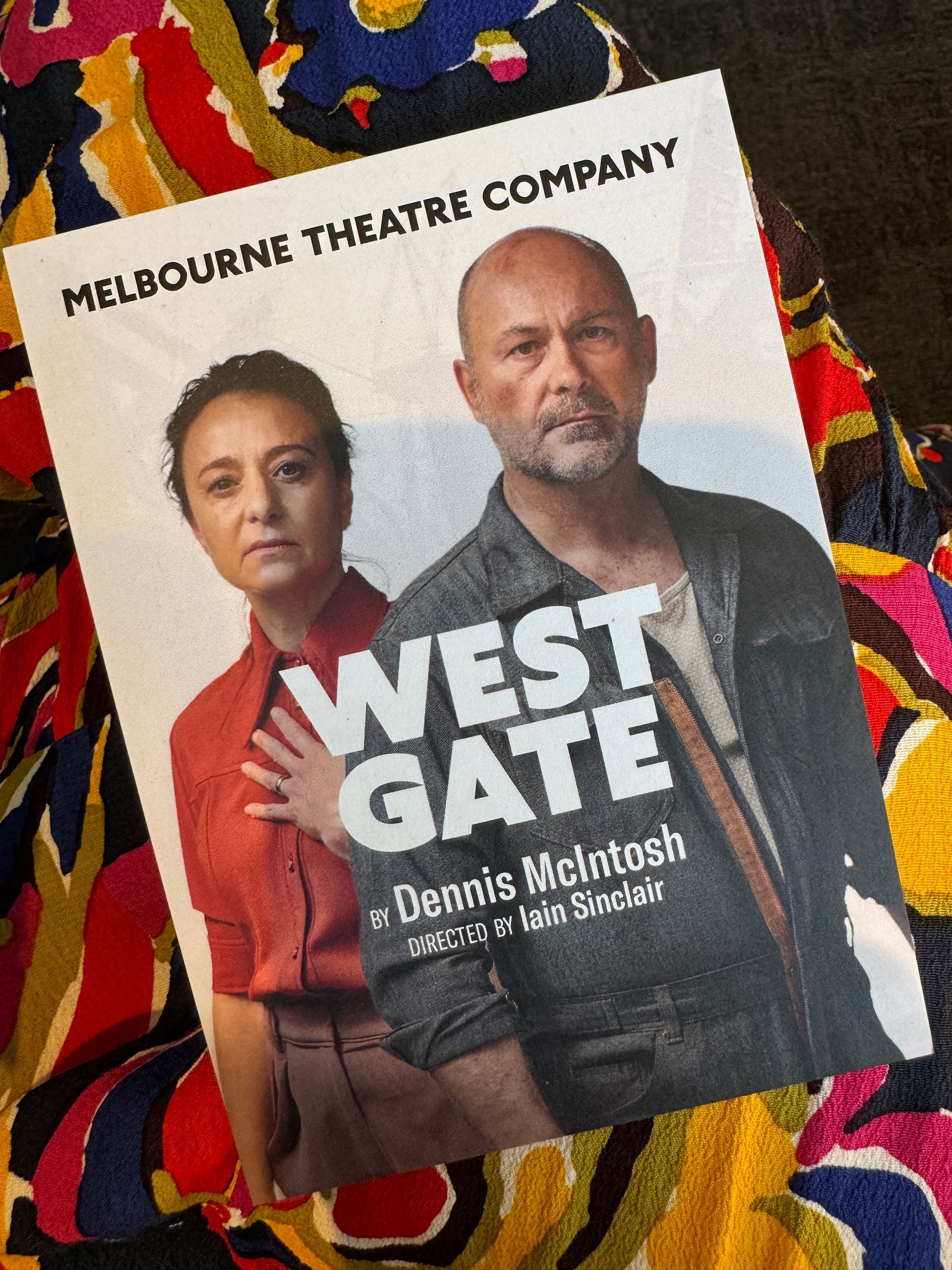
Last week, New Chapter Talent had the pleasure of attending Melbourne Theatre Company’s West Gate as guests of the MTC Business Collective. It was a night that combined history, theatre, and connection with Melbourne’s business community—a perfect mix for a New Chapter Talent team outing.


The production was a truly moving adaptation of the tragic events surrounding the West Gate Bridge collapse in 1970. I’ll be honest, I had no idea 35 men lost their lives during construction when the bridge collapsed. Experiencing this story on stage gave a whole new perspective on something many of us pass by every day. It was unforgettable, and I won’t drive over the bridge the same way again.

A Powerful Stage Adaptation


West Gate is helmed by award-winning director Iain Sinclair and written by Dennis McIntosh. The play features a powerhouse cast including:

  • Steve Bastoni (Police Rescue, The Matrix Reloaded)
  • Daniela Farinacci (Lantana)
  • Darcy Kent (New Gold Mountain)
  • Rohan Nichol (Star Wars: Episode III – Revenge of the Sith)


It tells the story of workers, engineers, and families connected to the bridge’s construction, capturing the pride, pressure, and tragedy of this defining Melbourne moment.


The 1970 West Gate Bridge Collapse


On 15 October 1970, the bridge collapsed mid-construction, killing 35 workers and forever changing countless families. It remains Australia’s deadliest industrial accident and led to significant reforms in workplace safety and labour practices.


Dennis McIntosh’s play draws on survivor testimonies and extensive research, blending historical accuracy with compelling storytelling to honour the human stories behind the tragedy.


Themes, Characters, and Drama


At the heart of the story are Young Scrapper, a spirited labourer, and Vittorio, a veteran welder. Their evolving relationship under unsafe working conditions and immense pressure reflects both the camaraderie and the tension of the construction site.


The play highlights themes of:

  • Working-class struggles
  • Immigrant experiences
  • Pride in craftsmanship and teamwork
  • The personal cost of industrial progress


“This was a powerful story to bring to life on stage. I don’t think I’ll ever drive over that bridge again without thinking about what I learnt.” – Lucy Bolan, Marketing Recruiter


A Night with the MTC Business Collective


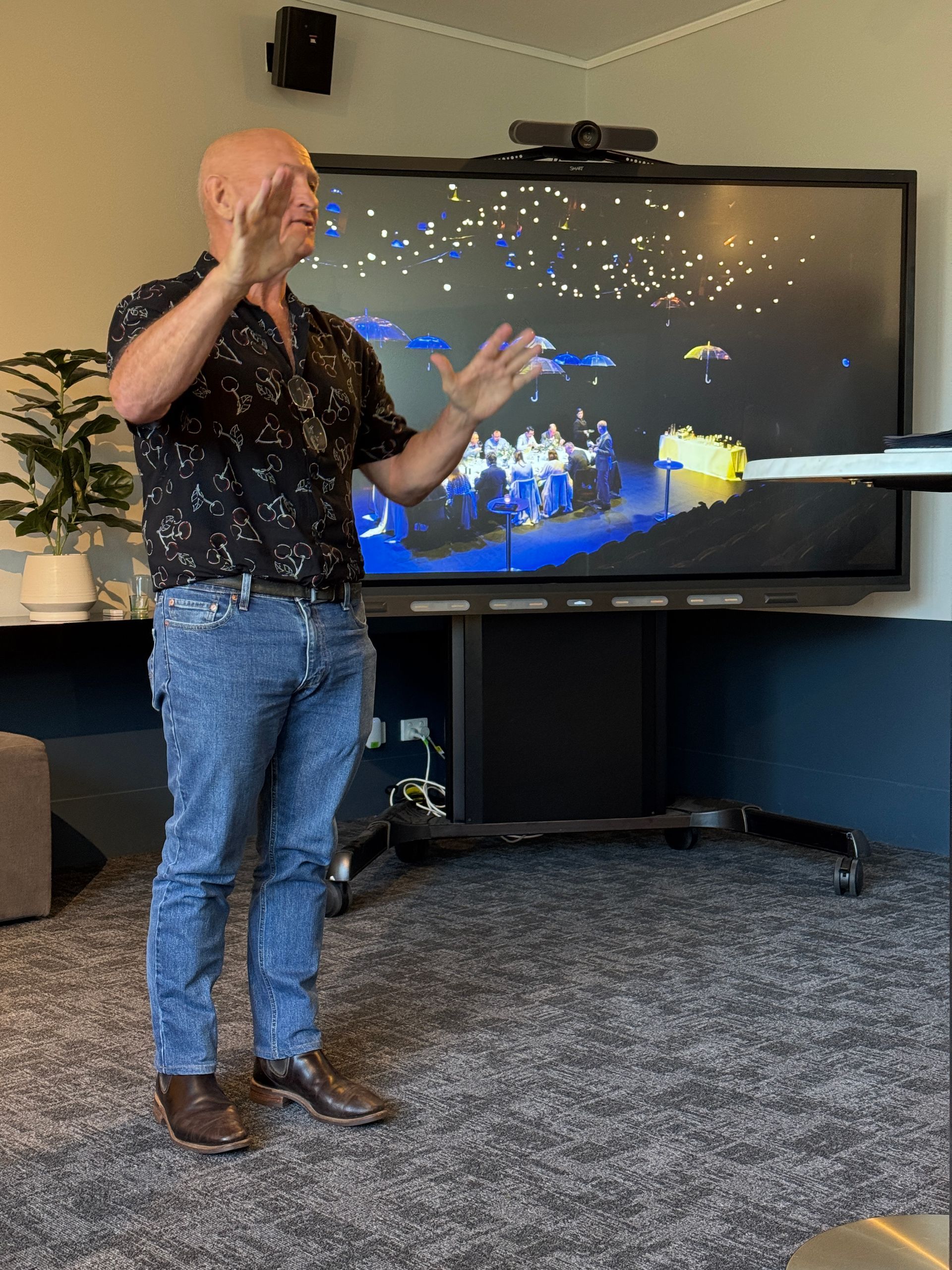
As part of the MTC Business Collective, New Chapter Talent had the chance to network with Melbourne’s business leaders while enjoying a night at the theatre. The evening included backstage access, mingling with the cast, and celebrating Australian stories in a truly immersive setting.


The Business Collective connects like-minded businesses with Melbourne Theatre Company through exclusive events, networking, and hospitality benefits, allowing members to support Australia’s home of theatre while enjoying unforgettable experiences with clients, staff, and peers.


Why This Matters to Us


At New Chapter Talent, we value experiences that inspire creativity and connection, both within our team and with our clients. Attending West Gate reminded us of the importance of understanding human stories, whether in theatre, marketing, or talent recruitment.


It was a night of reflection, learning, and connection, and we are grateful to the MTC Business Collective for the invitation.


For more about Melbourne Theatre Company and the Business Collective, visit MTC Business Collective
share this

Related Articles

Related Articles

Person at an office desk using a laptop and large monitor in a modern workspace
By Lucy Bolan June 29, 2026
A strong LinkedIn profile isn't just for job seekers. It's your professional reputation, leadership brand and career story — all in one place.
Three coworkers in a meeting, smiling and shaking hands over documents at a desk
By Lucy Bolan June 23, 2026
The Short Answer Most senior candidates can confidently talk about their successes. Growing revenue. Building brands. Leading teams. Delivering commercial results. But one of the questions that consistently catches people off guard is this: "Can you tell me about a time you failed?" The truth is, hiring managers aren't looking for perfection. They're looking for resilience, accountability and the ability to learn when things don't go to plan. Why Talking About Failure Matters in Executive Interviews Recently, I was supporting a Chief Marketing Officer through a series of final-stage interviews. They had all the credentials. Commercial growth. High-performing teams. Complex stakeholder management. Transformational leadership experience. Yet after making it down to the final two candidates several times, they kept missing out. The challenge wasn't talking about success. It was talking about failure. For many senior professionals, that's completely understandable. Years are spent building a track record of achievement, so it can feel counterintuitive to highlight setbacks. But experienced hiring managers know that careers are rarely linear. The campaigns that didn't land. The strategy that missed the mark. The hire that wasn't the right fit. The project that faced unexpected obstacles. These moments often reveal far more about a leader than a list of accomplishments ever could. What Hiring Managers Really Want to Know When interviewers ask about failure, they are usually assessing four key qualities: 1. Self-Awareness Can you objectively recognise when something didn't work? Strong leaders understand their role in both successes and setbacks. 2. Accountability Do you take ownership, or do you place blame elsewhere? The best candidates accept responsibility while demonstrating professionalism. 3. Problem Solving How did you respond once you realised there was an issue? Hiring managers want evidence of decisive action and commercial thinking. 4. Resilience Can you recover, adapt and move forward? The ability to navigate challenges is a critical leadership skill. How to Structure Your Answer A simple framework can help you deliver a clear and memorable response. Situation Briefly explain the context. Challenge What went wrong, and why was it significant? Action What did you do to address the problem? Learning What did you take away from the experience, and how has it influenced your leadership since? The focus should never be on the failure itself. It's about demonstrating growth. Examples of Professional Setbacks You Could Discuss Not every failure needs to be dramatic. Some of the strongest interview answers come from everyday leadership challenges, such as: A marketing campaign that underperformed. A strategic initiative that didn't achieve expected outcomes. A difficult stakeholder relationship. Hiring someone who ultimately wasn't the right fit. Managing organisational change that faced resistance. Missing a commercial target and adapting the approach. Authenticity matters more than trying to find the "perfect" example. Prepare Before Your Next Interview If you have an interview coming up, spend a few minutes reflecting on your career. Take out a pen and paper and write down three examples of setbacks or failures that have shaped your professional development. For each one, ask yourself: How did I recognise the issue? What action did I take? What did I learn? How did I improve because of it? These are the stories that often create the strongest connection with hiring managers. Failure Doesn't Define Your Career A successful career isn't built by avoiding failure. It's built by learning from it. The most effective leaders are rarely those who have never experienced setbacks. They are the ones who can reflect, adapt and lead with greater insight because of them. When an interviewer asks about failure, they aren't trying to catch you out. They're trying to understand how you'll perform when it matters most. And often, that's exactly what sets exceptional candidates apart. Frequently Asked Questions What is the best way to answer an interview question about failure? Use a structured approach that explains the situation, your actions, what you learned and how you applied those lessons moving forward. Should I admit to a real failure in an interview? Yes. Authenticity is important. Choose an example that demonstrates accountability, resilience and professional growth. What do hiring managers look for when discussing failure? Most employers want to see self-awareness, problem-solving ability, resilience and the capacity to learn from setbacks. Can talking about failure help you get hired? Absolutely. A thoughtful answer can showcase leadership qualities that achievements alone may not reveal.
Stack of resumes on a purple background, with the top page titled “Resume” and “Career Summary.”
By Lucy Bolan June 14, 2026
The last few years have reshaped the careers of many senior marketers. Fractional roles, consulting projects and fixed-term contracts have become a normal part of the market, not a red flag. Some of the strongest talent I meet today has built an incredibly broad skill set by helping businesses through change, growth and uncertainty.
All Articles

STAY UP TO DATE

Get the latest

Receive regular updates from New Chapter Talent.

Contact Us

Man wearing a brown beanie, facing forward. He has short hair and a neutral expression.
Empty white background.
Woman playing guitar at a campfire, with someone behind her, tent in background.